Guide
Circulation vs Nerves: Why Do Your Feet Feel Cold or Numb?
Circulation is blood moving through vessels, and nerves are the wiring that carries signals. Cold feet more often point to blood flow, while tingling, burning and numbness more often point to nerves, but the two overlap and a clinician has to test for each. One ingredient on the FlowNerves list is studied for leg veins, not for nerves.
Written by the FlowNerves label deskUpdated
Two systems, one foot01
What is the difference between circulation and nerves?
Circulation is the movement of blood through arteries and veins. Nerves are the cables that carry touch, temperature and pain signals between the skin and the brain.
Both reach your feet, and both can fail there. When blood flow drops, tissue gets less oxygen, and the skin may turn pale, feel cold or ache when you walk. When a nerve is damaged, the signal itself goes wrong, so the foot may tingle, burn, feel numb or feel pain from something harmless.
The trouble is that the two often travel together. Diabetes, for example, can harm both blood vessels and nerves, and the National Institute of Diabetes and Digestive and Kidney Diseases lists nerve damage and poor blood flow as the two main ways diabetes affects the feet.(NIDDK, Diabetes and Foot Problems)
| Feature | Blood flow problem | Nerve problem |
|---|---|---|
| Common feeling | Cold, pale or heavy feet; cramping when walking | Tingling, burning, pins and needles, numbness |
| What is affected | Delivery of blood to tissue | The signal sent along the nerve |
| Typical pattern | Often worse with walking and eased by rest | Often worse at night or at rest |
| Who sorts it out | A clinician checks pulses, vessels and blood tests | A clinician checks sensation, reflexes and blood tests |
| Can both be present | Yes | Yes |
The patterns in the table are tendencies, not rules. Treat them as a way to describe your symptoms to a doctor, not a way to diagnose yourself.
Common causes02
Why do feet feel cold or numb?
Several unrelated things can produce the same feeling, which is why guessing fails. The usual suspects fall into a few groups.
- Blood flow: narrowed arteries in the legs, or a vein problem that lets blood pool.
- Nerve damage: diabetes is the most common cause of peripheral neuropathy, and low vitamin B12 is a treatable one.(NINDS, Peripheral Neuropathy)
- Pressure on a nerve: a pinched nerve in the back or a tight shoe can make a foot go numb, often in one area.
- Cold itself: a chilly room or a long time sitting still can cool the feet in a healthy person.
- Other conditions: thyroid problems, kidney disease, heavy alcohol use and some medicines can all play a part.
Mayo Clinic notes that peripheral neuropathy has many causes and that in some people none is found.(Mayo Clinic, Peripheral Neuropathy (symptoms, causes)) A tidy explanation is not guaranteed, which is another reason to start with a proper exam.
A few useful clues03
Can you tell them apart at home?
Not reliably. You can collect clues that make the doctor's visit more useful, though.
- Note when it happens: at rest, while walking, at night, or after sitting.
- Note what it feels like: cold, tingling, burning, numb or heavy.
- Look at the skin: color, shine, hair loss, sores or blisters.
- Check whether one foot or both are affected.
- Write down every medicine and supplement you take, including doses from the bottle.
A foot that cannot feel a pebble, a blister or a cut will not warn you. The CDC advises people with diabetes to check their feet every day and to call a clinician about a sore that does not heal.(CDC, Diabetes and Your Feet) The diabetes foot care guide has the daily routine.
Bring your notes to the appointment. A short list of when, where and what often shortens the search.
The ingredient question04
What does butcher's broom have to do with it?
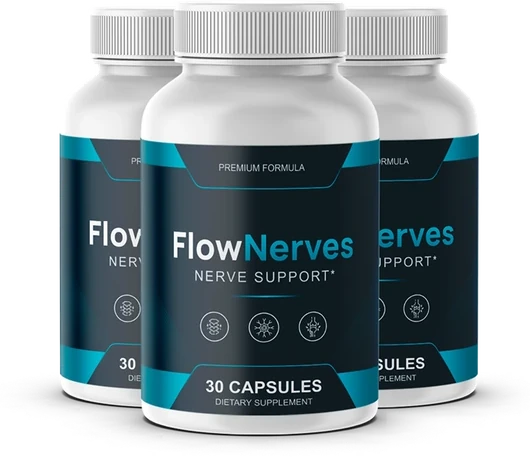
Butcher's broom root extract is one of the six names the seller lists for FlowNerves, and the seller's materials talk about circulation. That is the connection readers ask about, so it deserves a careful answer.
The research on butcher's broom concerns leg veins. A review of ten randomized trials in 719 people with chronic venous disease found fewer symptoms with Ruscus, mostly in combination products and not in plain extract.(Kakkos 2017, Ruscus meta-analysis) Memorial Sloan Kettering says small studies suggest a benefit in chronic venous insufficiency, that long-term safety and effectiveness are not known, and that evidence is lacking for other uses.(MSK, Butcher's Broom)
Three limits follow from that.
- No source we read links butcher's broom to nerves.
- No source shows that it helps circulation in the feet, and we make no such promise.
- No trial used the amount in FlowNerves, because the label as we have it prints no amounts.
If you have a vein problem, a clinician can describe what treatment fits. A capsule with an unprinted amount is not a replacement for that conversation. One cancer-center page also says to avoid butcher's broom if you have diabetes, so ask your doctor, and the butcher's broom page covers the cautions.
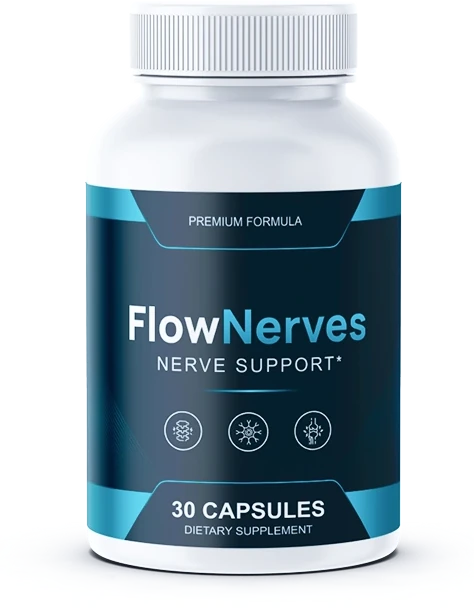
FlowNerves capsules: 30 to a bottleOne capsule a day · 2, 3 or 6 bottles · 60-day satisfaction promise
See packsWhat a clinician does05
Which tests sort it out?
Diagnosis begins with questions and a physical exam, then adds tests chosen for the symptoms. Mayo Clinic lists blood tests, nerve conduction studies and electromyography among the tools for nerves.(Mayo Clinic, Peripheral Neuropathy (diagnosis, treatment))
For blood flow, a clinician may feel the pulses in your feet, compare blood pressure at the ankle and the arm, or order imaging. Each test answers a different question, and a normal result in one does not exclude the other system.
Ask for the results in plain words. A useful question is, "Is this about blood flow, nerves or both, and what is the next step?"
Do not wait06
When is numbness an emergency?
Sudden numbness or weakness on one side of the body, a drooping face, trouble speaking or sudden loss of balance can be signs of a stroke. Call 911 at once and do not drive yourself.(CDC, Stroke Signs and Symptoms)
- Call 911: sudden weakness or numbness on one sideFace drooping, arm weakness or trouble speaking can be a stroke. Call right away; do not drive yourself.
- Call 911: chest pain or trouble breathingThese are emergencies, not supplement questions.
- A foot sore, blister or cut that will not healPeople with diabetes or numb feet should see a clinician soon, the same day if it looks infected.
- Weakness that spreads, or trouble walkingWeakness that climbs or numbness that spreads fast needs prompt care.
- Tingling that wakes you up every night or keeps getting worseSee a doctor. Blood tests for sugar, B12 and thyroid are usually the start.
- Hives, swelling of the face or wheezing after a capsuleA possible allergy. Stop and get help; call 911 if breathing is hard.
Stroke signs: (CDC, Stroke Signs and Symptoms). Neuropathy basics: (NINDS, Peripheral Neuropathy). This list is not complete, and a supplement is never a reason to wait.
A cold, pale, painful foot that develops suddenly also needs same-day care. No supplement belongs in that decision.
FAQ07
Cold feet and numbness questions
Do cold feet mean I have nerve damage?
Not by themselves. Cold feet more often reflect blood flow or the room, while nerve damage tends to cause tingling, burning or numbness. A clinician can tell which applies.
Can poor circulation cause tingling?
It can. Reduced blood flow can irritate nerves, which is one reason the two problems overlap and testing covers both.
Is numb skin in both feet more worrying than in one?
Numbness in both feet often points to a body-wide cause such as diabetes or low vitamin B12, while one foot more often suggests a local cause. Either needs a check.
Does FlowNerves improve circulation?
We make no such claim. The seller's materials mention circulation, but no source we read shows the capsule changes blood flow in the feet.
Should I stop walking if my legs cramp?
Do not decide alone. Cramping while walking that eases with rest is worth a clinician's attention, so describe it at your next visit.
Can a supplement tell me which problem I have?
No. Only an exam and tests can. Taking a capsule first can delay the check.
Are compression socks a nerve treatment?
They are used for some vein problems, not for nerve damage. Ask a clinician which applies before buying them.
Who wrote this08
Written and reviewed by
Pages built from the bottle front, the seller's brief and linked NIH, FDA, FTC, NIDDK and peer-reviewed sources.
Last updated . Read our editorial standards and how we check reviews. This website is the information site for a U.S. authorized retailer of FlowNerves. It is not the manufacturer or the distributor. We earn money when you buy through our order links.
Keep reading
More about FlowNerves
USA Authorized Retailer
Ready to look at FlowNerves?
Check your medicines first, especially blood thinners and diabetes medicine, keep every prescription going, then pick a pack of 2, 3 or 6 bottles. The checkout shows the final total, any shipping and the 60-day promise.
- Checkout runs on the sales site
- 60-day satisfaction promise
- Ships from the U.S.